
Community
ABC unwraps holiday programming schedule full of festive shows for the family
By Katherine Langford
Advertisement · Why this ad?
Katherine oversees editorial operations across all six brands. Before joining The Meridan Group, she spent 14 years at the Minneapolis Star Tribune, where she led the metro desk through its digital transformation. She holds a Master's in Journalism from Northwestern's Medill School.
More from Katherine →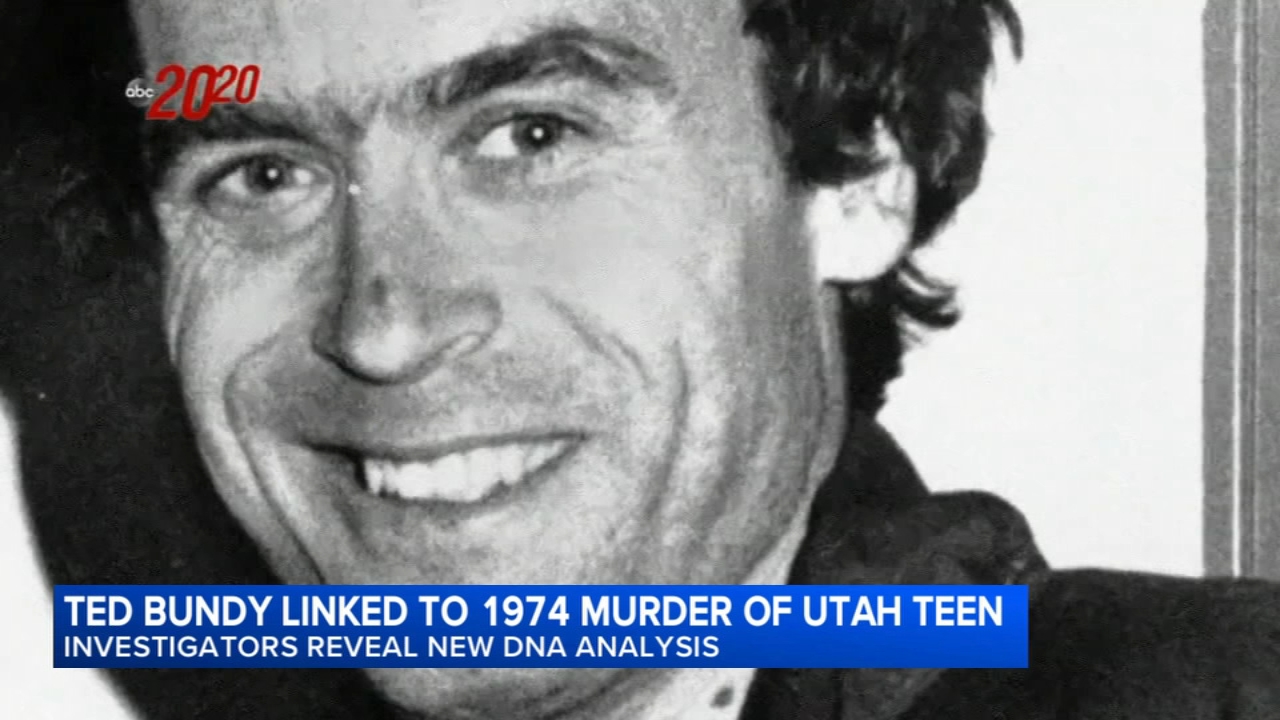
In a significant breakthrough that echoes across decades, Utah authorities have connected notorious serial killer Ted Bundy to the 1974 homicide of 17-year-old Melissa Ann Smith, a case that has long haunted the community. This revelation, announced Tuesday, October 27, 2026, comes 52 years after her body was discovered in the woods, providing a measure of closure to a tragic chapter in local history and for the Smith family.
DNA evidence has definitively linked Bundy to the cold case death of Melissa Ann Smith in Utah, authorities confirmed. This crucial development underscores the relentless dedication of law enforcement and the transformative power of forensic science in bringing long-awaited answers to families affected by unspeakable loss.
Melissa Ann Smith, a vibrant 17-year-old whose life was tragically cut short, disappeared in 1974. Her case remained unsolved for over half a century, a painful void for those who knew and loved her. The recent announcement marks a pivotal moment, affirming that justice, though sometimes slow, can ultimately prevail through persistent effort and technological advancement.
Summit County Attorney Margaret Olson, speaking at a news conference, stated investigators are now satisfied that Bundy was responsible for Smith's killing. Olson highlighted that beyond the compelling DNA evidence, Smith’s death bore the chilling hallmarks of Bundy’s known patterns, motives, means, and opportunities, solidifying the connection to the infamous killer.
This breakthrough was made possible by crucial DNA connections established between Smith and Laura Aime, another Bundy victim whose case was resolved just last April in Utah County. The ability to link these cases demonstrates the power of inter-agency cooperation and the meticulous preservation of evidence over many years, a testament to the foresight of past and present law enforcement.
Utah County Sgt. Mike Reynolds confirmed that a highly similar DNA profile linked to Bundy was found in evidence obtained from Smith’s autopsy. Sgt. Reynolds emphasized the profound importance of preserving evidence, stating, “This case demonstrates the importance of preserving evidence.” This sentiment was echoed by Salt Lake County Sheriff Rosie Rivera, further highlighting the collective commitment to solving these enduring mysteries.
Ted Bundy, who was executed in 1989 by electric chair in Florida for the 1978 murders of two women at the Chi Omega sorority house at Florida State University, continues to have his victim count grow. His final days included a series of confessions, some of which were previously unknown to police, though not all have been confirmed. Authorities have confirmed Bundy had victims in multiple states, including Florida, Utah, Colorado, Idaho, and Washington state, leaving a trail of devastation across the nation.
The resolution of Melissa Ann Smith's cold case is a poignant reminder of the profound and lasting impact of violent crime on families and communities. While Smith’s next of kin no longer reside in the immediate area, the news of this closure resonates deeply, offering a measure of peace that has been decades in the making. It underscores the vital role of strong family units and community support in navigating such profound grief, even as the pursuit of justice offers a path toward healing.
Investigators are also diligently working to solve the death of 16-year-old Nancy Wilcox, another likely victim in Utah, hoping that similar forensic advancements will bring answers to her family. The dedication of these cold case units provides a beacon of hope for countless other families still awaiting resolution, demonstrating that no case is ever truly forgotten.
While these recent developments unfold far from our Atherton community, they serve as a potent reminder of the enduring commitment required to uphold justice and ensure public safety. This story underscores the critical work of law enforcement in preserving evidence and pursuing truth, regardless of the passage of time. It reinforces the belief that every life holds value, and every victim deserves to have their story heard and their perpetrator brought to account.
The advancements in forensic science, particularly DNA testing, have revolutionized cold case investigations. Organizations like the FBI Cold Case Initiative and the National Institute of Justice have championed the use of these technologies, providing resources and training to local law enforcement agencies. The National DNA Database plays a critical role in connecting seemingly unrelated cases across state lines, bringing a national scope to the fight for justice.
The tireless efforts of U.S. law enforcement agencies and their partners in forensic science exemplify a deep-seated commitment to protecting the innocent and upholding the sanctity of life. The Office of Justice Programs' DNA Initiative, for instance, has been instrumental in funding and supporting these crucial advancements, ensuring that investigators have the tools they need to solve complex cases.
As investigators continue to connect Bundy to more victims, the local community and indeed the nation can find solace in the relentless pursuit of justice and the closure it brings to those affected by such heinous acts. Sgt. Reynolds articulated this sentiment powerfully, stating, “With every case closure, may we stomp the memory of Ted Bundy out.” This reflects a collective desire to diminish the shadow of evil and instead, honor the memories of the lives lost.
The work of organizations like the National Sheriffs' Association and local judicial systems, such as those found in Utah State Courts, is fundamental to this ongoing process. They ensure that legal frameworks support these investigations and that victims' rights are upheld. Furthermore, resources like Utah's Law and Justice Resources provide comprehensive support for both law enforcement and the public.
For families grappling with the aftermath of violent crime, support systems are invaluable. The National Center for Victims of Crime offers crucial assistance, as do broader family support resources. These networks reinforce the importance of strong, intact families as cornerstones of a resilient community, helping individuals and families navigate unimaginable challenges with faith and fortitude.
The resolution of Melissa Ann Smith's case stands as a powerful testament to the enduring hope that justice will ultimately prevail. It is a story of human persistence, scientific innovation, and the unwavering commitment to honoring those whose lives were taken too soon. As we reflect on this significant development, we are reminded of the profound responsibility we all share in fostering safe communities and supporting the tireless efforts of those who protect us, ensuring that every victim's memory is cherished and their quest for justice is never abandoned. The ongoing work highlighted by the NIJ on Cold Case Technologies and the National Center for Missing and Exploited Children continues to bring hope to countless families.
By Katherine Langford
By Katherine Langford
By Marcus Chen

By Marcus Chen