Schools
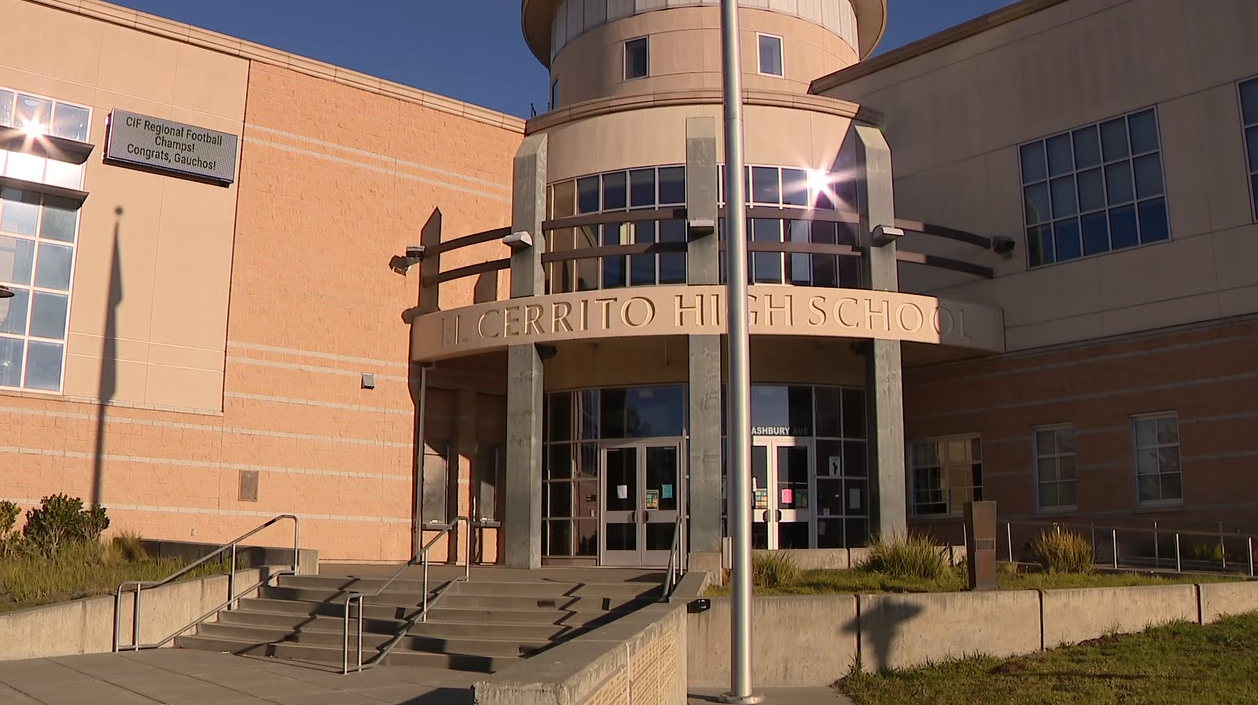
El Cerrito High football team suspended amid hazing probe; arrests possible
By Katherine Langford
Advertisement · Why this ad?
Katherine oversees editorial operations across all six brands. Before joining The Meridan Group, she spent 14 years at the Minneapolis Star Tribune, where she led the metro desk through its digital transformation. She holds a Master's in Journalism from Northwestern's Medill School.
More from Katherine →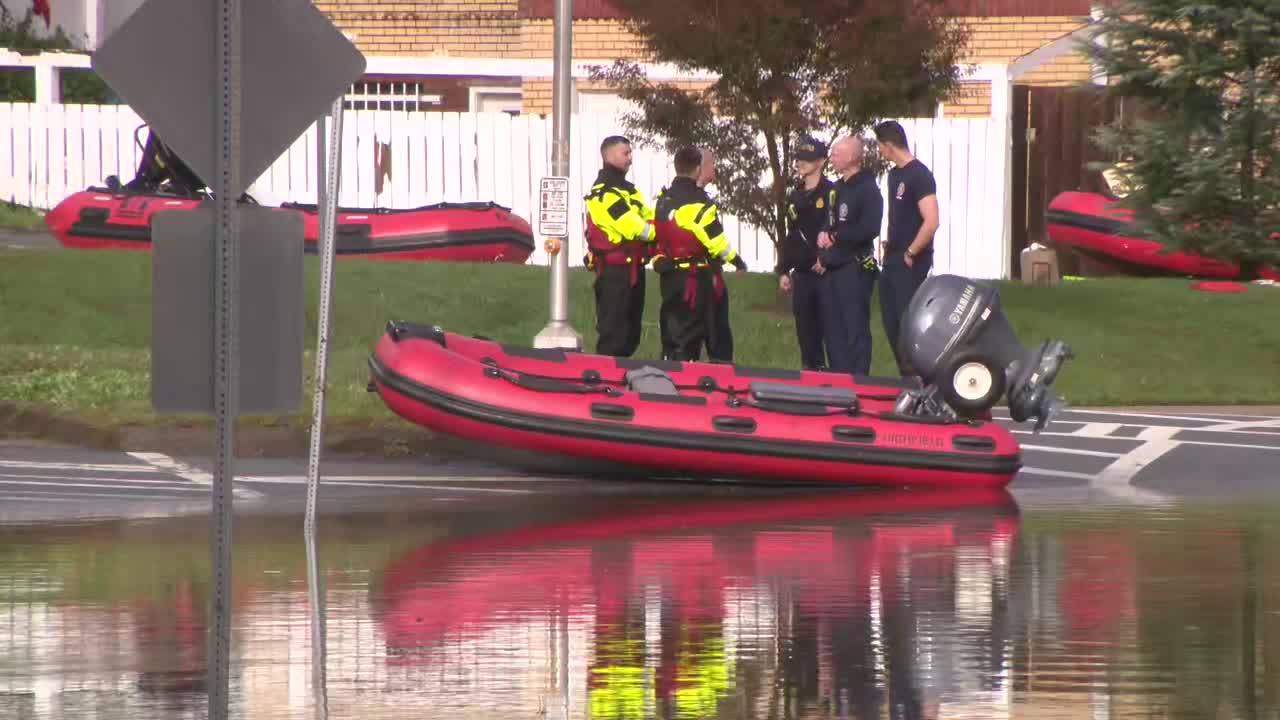
As dawn broke over the Blue Ridge Mountains, a retired couple in Copperhill awoke to a nightmare no one could have anticipated. The waters had risen swiftly, flooding their home with over six feet of rushing mountain rainwater, destroying cherished possessions and leaving a trail of debris that told a story of nature’s fierce power. Their story is just one of many amid the recent devastating floods that swept through North Georgia and southeastern Tennessee, reminding us of the fragile boundary between community life and nature’s unpredictable wrath.
Heavy rainfall across the mountainous regions of North Georgia and southeastern Tennessee triggered a historic flood event Thursday morning, with the Toccoa River cresting at approximately 18 feet—an unprecedented surge that overwhelmed the area’s natural and built environment. The rapid rise, approximately 16 feet in just 12 hours and much of it occurring within a perilous three-hour window, caused widespread destruction in towns like McCaysville, Georgia, and Copperhill, Tennessee. Roads disappeared beneath the water, bridges were overtopped, and entire neighborhoods were submerged in a matter of hours.
The floodwaters carried large debris, including logs up to four feet in diameter, which piled against bridges and infrastructure, illustrating the sheer force of the rushing water. Emergency responders from multiple agencies, including the U.S. Army Rangers from Camp Merrill, were mobilized to perform rescues. More than 80 residents were pulled from the rising waters, with some trapped inside flooded homes or stranded on rooftops. Remarkably, despite the scale of the disaster, no fatalities have been reported, thanks to swift action and community resilience.
The community’s response was immediate and coordinated, with police, firefighters, and swift-water rescue teams working tirelessly to save lives and secure property. The local police chief, Michael Earley, confirmed that no major injuries had been reported as of Thursday afternoon, and hospitals had treated a few residents for hypothermia. The involvement of military rescue units underscored the severity of the situation, as helicopters flew overhead searching for stranded residents and delivering aid where roads were impassable.
The destruction was evident in the aftermath: streets coated in thick mud, debris blocking bridges and intersections, and homes inundated with muddy water. The Edwards family, who have lived along Fightingtown Creek for over a decade, described their narrow escape after discovering their house was flooding around 2 a.m. Their belongings floated away, and their home suffered extensive damage. Their story echoes the experiences of many residents who faced a terrifying night, knowing their lives depended on quick thinking and the courage of first responders.
Among those rescued was a retired couple in Copperhill who awoke to find their living room flooded with six feet of water. Sandra Edwards recalled, “We had never seen anything like this before. When I looked outside and saw the water above our deck, I knew we had to get out fast.” Their rescue was emblematic of the community’s resilience and the importance of preparedness in mountain towns prone to flash floods. Many residents expressed gratitude for the swift response of local authorities and volunteers, whose efforts prevented further tragedy.
The root cause of this sudden catastrophe lies in the geography and weather patterns of the region. The steep mountain terrain, combined with intense rainfall, created a perfect storm. The mountains surrounding McCaysville and Copperhill act as natural funnels, channeling rainwater into the narrow valleys where homes and businesses are built. When heavy rain falls on the surrounding peaks, it quickly drains into streams and rivers, causing rapid and unpredictable rises in water levels.
According to meteorologists, much of the rain responsible for the flooding did not fall directly over the towns but on the surrounding mountains. This runoff then funneled into the Toccoa River and its tributaries, which surged beyond their banks in a matter of hours. The swift nature of the flood left little time for residents to evacuate, highlighting the need for improved early warning systems and infrastructure designed to withstand such extreme events. While investigations are ongoing, community leaders are now contemplating how to better prepare for future storms in these vulnerable mountain valleys.
As the waters recede, the focus shifts to recovery and rebuilding. Local officials, including Governor Brian Kemp, have declared a state of emergency for several counties, including Fannin, Union, Gilmer, and Murray, unlocking resources for cleanup and aid. State and federal agencies are mobilizing to assess the damage, which includes destroyed homes, businesses, and critical infrastructure. The community’s strength lies in its families and faith-based organizations, which have historically played vital roles in recovery efforts, fostering hope amid hardship.
Long-term solutions will require careful planning and investment. Experts emphasize the importance of resilient infrastructure, improved drainage systems, and community education on flash flood preparedness. The recent disaster serves as a stark reminder that mountain communities, while picturesque and rich in heritage, face unique challenges that demand proactive, faith-guided responses rooted in community commitment. As residents begin the arduous process of cleanup, many are reaffirming their commitment to rebuilding stronger, more prepared neighborhoods grounded in shared values and hope for the future.
In particular, local organizations such as the Blue Ridge Chamber of Commerce and community faith groups are mobilizing to provide immediate relief, counseling, and support services. The Red Cross has set up emergency shelters and is coordinating volunteer efforts to distribute supplies. Many residents are also receiving mental health support as they process the trauma of the event, highlighting the importance of community resilience and collective healing.
Beyond the physical destruction, the floods have taken a toll on the mental health of residents. Families displaced from their homes face uncertainty and stress, compounded by the recent economic impacts from the COVID-19 pandemic and previous floods. Local churches and community centers are opening their doors for counseling sessions, offering a space for residents to share their fears and hopes. Stories like that of Sandra and Tommy Edwards, who narrowly escaped with their lives, serve as poignant reminders of the resilience and courage that define this mountain community.
Many residents are also reflecting on the need for better planning and infrastructure upgrades. Some local officials have called for more robust early warning systems, improved flood barriers, and community education programs. The goal is to turn this disaster into an opportunity to build a more resilient future, where families can feel safer and more prepared for the next storm.
The coming weeks will be critical in assessing the full extent of the damage and implementing recovery plans. Federal aid, coordinated through FEMA, will be crucial in funding repairs and rebuilding efforts. Local governments are already convening task forces to prioritize infrastructure repairs, flood mitigation projects, and housing assistance programs.
Community leaders are also advocating for more comprehensive land-use planning that considers flood risks, especially in mountain valleys where flash floods can occur with little warning. Education campaigns aimed at residents and visitors alike will focus on preparedness measures, evacuation routes, and safety protocols.
As the region begins its long journey toward recovery, the shared strength and faith of its residents will continue to be vital. The community’s spirit—embodied by countless volunteers, first responders, and faith leaders—will be the foundation upon which they rebuild stronger, more resilient neighborhoods. In the face of nature’s fury, this community’s resilience offers hope that, with collective effort and proactive planning, future tragedies can be mitigated and lives protected.
By Katherine Langford

By Marcus Chen

By Marcus Chen

By Marcus Chen